
They made a fake Drake and The Weeknd song. They made fake images of Taylor Swift.
Soon, that could be illegal under federal law.
On June 18, the Senate Judiciary Committee unanimously approved S. 4591, the NO FAKES Act (the Nurture Originals, Foster Art, and Keep Entertainment Safe Act of 2026), the first bill to give every American a federal right to protect their own voice and visual likeness. Sens. Chris Coons (D-DE) and Marsha Blackburn (R-TN) are the lead sponsors of the bill. The committee vote was unanimous, though not without reservations. Sens. Mike Lee (R-UT), Ted Cruz (R-TX) and Eric Schmitt (R-MO) flagged First Amendment concerns at the markup and Sen. Alex Padilla (D-CA) noted the obligations the bill places on digital platforms.
Here’s what it does. This bill creates the first federal intellectual property right for your voice and visual likeness. Not just celebrities. If someone uses AI to create a digital replica of your voice or your visual likeness without permission, you get the ability to block it. Individuals or companies would face liability for distribution of an unauthorized digital replica of a person’s voice of visual likeness. The bill also includes provisions to safeguard First Amendment rights.
So why is this moving now? The public is already there. Polls put support for deepfake guardrails at 85 percent or higher. The coalition behind the bill is just as broad: Hollywood, the recording industry, labor unions, child safety groups and even some major tech companies, all on the same side.
While the House Judiciary Committee hasn’t acted on the NO FAKES companion bill, its leads Reps. Maria Salazar (R-FL) and Madeleine Dean (D-PA) are working closely with their Senate counterparts. Sen. Blackburn has discussed folding NO FAKES into a larger package of AI-related bills with the White House. Both the administration and many in Congress want to enact some AI legislation this Congress.
There’s still time to get this bill across the finish line this year. Beyond regular order, IP related bills have a history of hitching a ride on year-end must-pass legislation. For example, the CASE Act, the Trademark Modernization Act and the Protecting Lawful Streaming Act of 2020 became law as part of the Consolidated Appropriations Act of 2021. The path to the president’s desk is never guaranteed but NO FAKES has momentum. This one is worth watching.
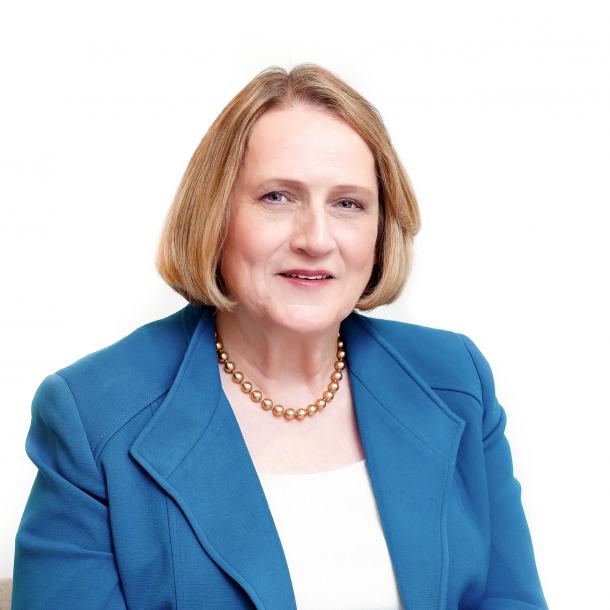
Claudia James
Managing Director
Claudia James delivers measurable results for major companies and associations navigating complex technology, media, tax, trade, and copyright issues in Washington. Her proven track record stems from deep Democratic relationships with Senate leadership and key committee members, coupled with extensive experience in government relations. Claudia‘s strategic advocacy has secured significant policy victories across multiple sectors, including legislative wins in tax policy, copyright protection, clean energy provisions, and media regulations. Her approach centers on developing a comprehensive understanding of each client’s business objectives, enabling effective representation to achieve winning outcomes in Washington.